Common Hospital Birth Policies That Aren’t Actually Medical Requirements (And What You Can Do Instead)

If you’re planning a hospital birth, there’s something every pregnant woman deserves to understand:
Many hospital “policies” are not medical requirements. They are routines. Protocols. Habits. Convenience-based practices. And while some interventions are life-saving when medically necessary, many are used simply because “that’s how it’s done here.”
The good news?
You have more autonomy than you may realize.
Whether you’re planning a natural hospital birth, working toward a low-intervention experience, or simply want to avoid unnecessary procedures, understanding common hospital policies can dramatically change your birth experience.
As a birth doula serving Orange County, San Diego County, Los Angeles County, and the Inland Empire, I see this every week: When mothers are educated, supported, and confident, birth unfolds very differently.
Let’s break down the most common hospital birth policies that are often presented as “required” — and what you can do instead.
1. Continuous Fetal Monitoring
The policy:
Many hospitals place women on continuous electronic fetal monitoring (EFM) once admitted, especially if they are labeled “high risk,” induced, or receiving Pitocin.
The reality:
According to research, continuous monitoring does not improve outcomes for low-risk pregnancies compared to intermittent monitoring, but it does increase the risk of unnecessary interventions, including cesarean birth.
Continuous monitoring often:
Restricts movement
Encourages laboring in bed
Increases stress
Leads to more “concerns” that aren’t actually emergencies
What you can do instead:
You can ask:
“Am I low risk enough for intermittent monitoring?”
“Can we use a handheld Doppler instead?”
“Can I come off the monitor between checks so I can move freely?”
Movement, upright positions, and freedom to labor instinctively are some of the most powerful tools for physiological birth.
2. Mandatory IV Placement
The policy:
Many hospitals place an IV saline lock “just in case.”
The reality:
While IV access can be important in true emergencies, routine IV placement often leads to:
Reduced mobility
Increased likelihood of Pitocin or other medications
Fluid overload, which can affect postpartum swelling and breastfeeding
For low-risk women, routine IV placement is not medically necessary.
What you can do instead:
You can ask:
“Is an IV required for my situation?”
“Can we delay placing it unless it becomes medically necessary?”
“Can we use a saline lock instead of continuous fluids?”
Small choices like this support a more comfortable and mobile labor.
3. Time Limits on Labor
The policy:
Many hospitals follow strict timelines for dilation and pushing.
Examples include:
“You must be fully dilated within X hours.”
“You can only push for X amount of time before a cesarean is recommended.”
The reality:
Labor is not linear.
Every woman’s body unfolds uniquely.
Research has shown that longer labors—especially for first-time mothers—can still be completely normal and healthy when both mom and baby are doing well.
Artificial time pressure often leads to:
Unnecessary augmentation
Increased epidural use
Increased cesarean rates
What you can do instead:
You can ask:
“Are mom and baby currently healthy and stable?”
“What happens if we allow more time?”
“Is this a medical concern or a policy-based concern?”
Informed consent means understanding whether a recommendation is based on true risk—or simply routine.
4. Coached Pushing Instead of Physiological Pushing
The policy:
Many hospitals encourage directed pushing (“hold your breath, count to 10”) once you reach 10cm.
The reality:
Physiological pushing—where a woman follows her body’s natural urges—has been shown to:
Reduce tearing
Support better oxygenation for baby
Decrease exhaustion
Support a calmer birth experience
Coached pushing is often used for provider convenience, not because it’s best for the body.
What you can do instead:
You can ask:
“Can I push in the positions that feel best for my body?”
“Can I follow my body’s natural cues instead of being coached?”
“Can we wait for the urge to push if baby is stable?”
This is one area where doula support can be especially powerful.
5. Routine Cervical Checks
The policy:
Many hospitals perform frequent cervical exams to “track progress.”
The reality:
Cervical checks:
Are subjective (two providers may measure differently)
Can increase discomfort and stress
Increase risk of infection once membranes are ruptured
Often lead to discouragement if dilation appears “slow”
But dilation alone does not determine how close birth truly is.
What you can do instead:
You can ask:
“Is this cervical check medically necessary?”
“Can we space them out or skip this one?”
“What information will this exam change about our plan?”
You always have the right to consent—or decline.
6. Routine Use of Pitocin After Birth
The policy:
Many hospitals administer Pitocin immediately after birth to prevent hemorrhage or to augment the birth of the placenta.
The reality:
While Pitocin can be life-saving when hemorrhage is present, routine use without individualized assessment may not always be necessary—especially when physiological third stage practices are supported (skin-to-skin, delayed cord clamping, uninterrupted bonding, spontaneous placental delivery).
What you can do instead:
You can ask:
“Is my bleeding currently within normal limits?”
“Can we monitor first before administering medication?”
“Can we support physiological placental birth unless there’s concern?”
Again, this is about informed decision-making—not refusal of care.
The Most Important Truth:
You Are Allowed to Ask Questions
You are allowed to pause.
You are allowed to ask for explanations.
You are allowed to understand your options.
A simple framework that can change everything is BRAIN:
Benefits – What are the benefits of this intervention?
Risks – What are the risks?
Alternatives – What are the alternatives?
Intuition – What does your intuition tell you?
Nothing – What happens if we wait or do nothing for now?
Space – Can we have space to think/talk/pray?
This is the heart of informed consent.
Why Education and Support Matter So Much
This is exactly why childbirth education and doula support are so powerful.
When women are supported by:
A trained birth doula
Evidence-based education
Confidence in their body
A partner who understands the process
They are far more likely to:
Avoid unnecessary interventions
Feel empowered rather than fearful
Take ownership in their birth
Walk away feeling proud instead of traumatized
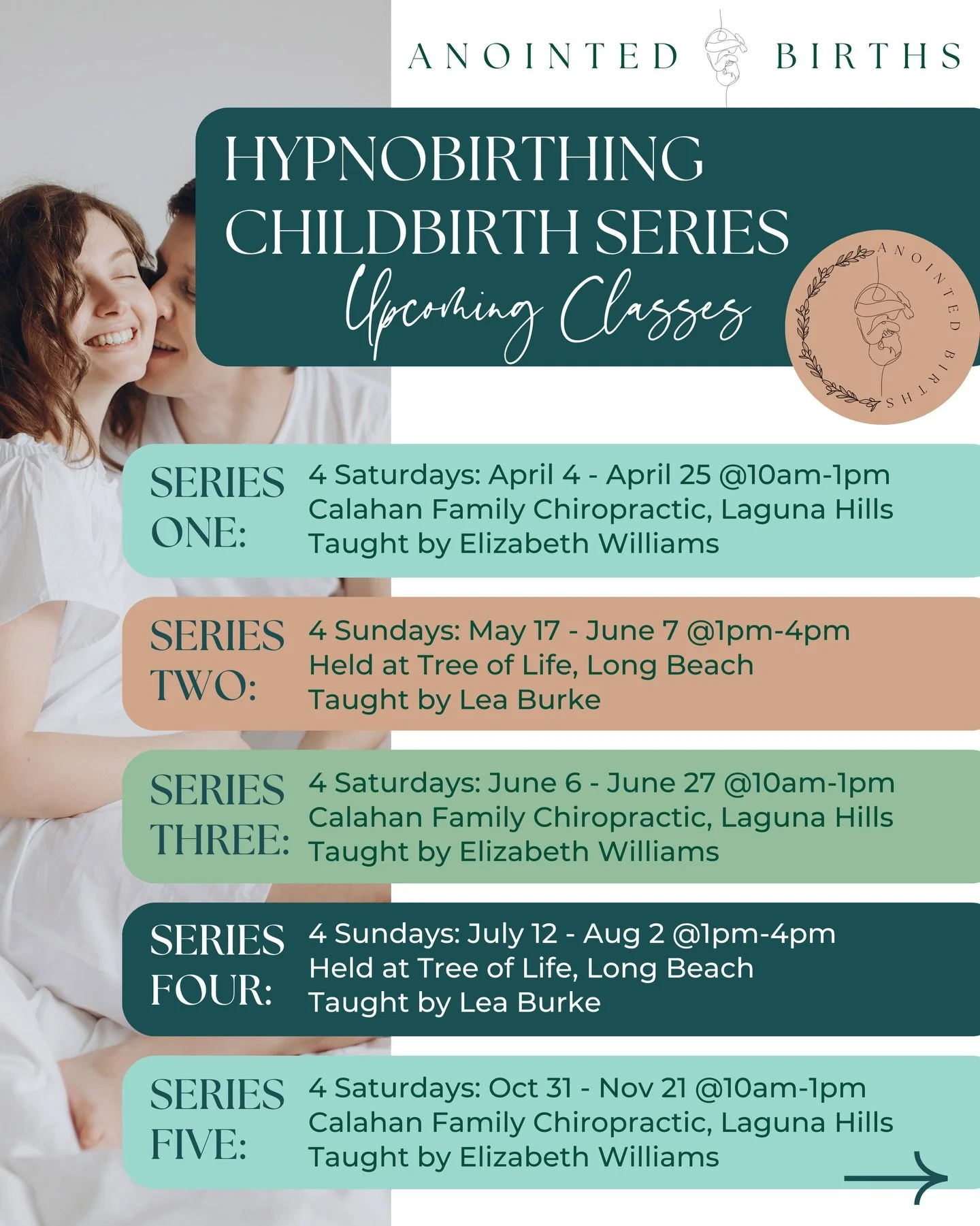
At Anointed Births, we provide birth and postpartum doula services throughout Orange County, San Diego County, Los Angeles County, and the Inland Empire, and we teach comprehensive Hypnobirthing classes in Orange County designed to give women real tools—not fluff, not fear, but grounded education.
Reputable Sources for Further Reading
For those who want to go even deeper into the research, these are highly credible, evidence-based resources:
Evidence Based Birth – Hospital Interventions and Policies
https://evidencebasedbirth.comAmerican College of Obstetricians and Gynecologists (ACOG) – Labor & Delivery Guidelines
https://www.acog.orgWorld Health Organization – Intrapartum Care Guidelines
https://www.who.int/publications/i/item/9789241550215
These organizations consistently emphasize individualized care, informed consent, and avoiding unnecessary intervention when mother and baby are healthy.
Final Encouragement
Birth is not something to endure.
It is something to participate in.
You were designed with wisdom in your body.
You deserve to be listened to.
You deserve to understand your options.
You deserve support that honors both physiology and faith.
And if you’re looking for guidance, education, or hands-on support, this is exactly the work we do every day.
Ready to Take Ownership of Your Birth?
If you’re pregnant and preparing for birth, we would love to support you.
→ Learn more about our birth and postpartum doula services in Orange County, San Diego, Los Angeles, and the Inland Empire
→ Join our Hypnobirthing classes in Orange County
→ Schedule a consultation through our website:
https://www.anointedbirths.com
Anything stated in this blog is not medical advice.
Stay Tuned…
for more tips, stories, and resources on how to have your best birth!
And in the meantime, if you are looking for in-person support in Orange County, LA County, San Diego County, and the Inland Empire, click the button below to schedule your FREE consultation for any of the following services:
Birth Classes
Birth & Postpartum Doula Services
Birth Photography & Videography
Placenta Encapsulation
Lactation Support
Private Birth Planning Sessions
Belly Binding
& More!
CLICK HERE TO SCHEDULE A FREE CONSULTATION
Check out our latest instagram posts!