If you’ve had a cesarean birth before and live in Orange County, you might be wondering if a vaginal birth after cesarean (VBAC) is possible—or even safe. The good news? With the right preparation and support, many families in OC experience empowering, successful VBACs.
This comprehensive guide will walk you through everything you need to know about VBAC: the benefits, success rates, ways to prepare your body and mind, questions to ask your provider, and how support from a doula can make all the difference. Whether you’re hoping for a natural birth, exploring hypnobirthing techniques, or simply want to feel confident and informed about your birth options, this guide will give you the tools and knowledge to make the best choices for you and your baby.
What is VBAC?
VBAC stands for Vaginal Birth After Cesarean, meaning delivering vaginally after having a previous cesarean birth. Many parents assume that once you have a cesarean, all future births must be surgical—but for most people, a safe, natural VBAC is possible.
Why Consider VBAC? Benefits of Vaginal Birth After Cesarean
Choosing VBAC can offer significant benefits for both mother and baby:
Shorter recovery time compared to repeat C-section
Lower risk of infection, hemorrhage, and surgical complications
Less pain postpartum and faster return to daily life
Lower risk of complications in future pregnancies
Greater satisfaction and empowerment with birth experience
Supports skin-to-skin bonding and breastfeeding initiation
VBAC Statistics & Success Rates
Around 60–80% of women attempting VBAC are successful according to the American College of Obstetricians and Gynecologists (ACOG).
VBAC is generally safer than a repeat C-section for most mothers with one previous low transverse cesarean.
Complication rates are low, but the most cited risk is uterine rupture, which occurs in less than 1% of VBAC attempts.
Factors increasing VBAC success include prior vaginal birth, spontaneous labor, and supportive care.
Sources: ACOG VBAC, Evidence Based Birth VBAC, Mayo Clinic VBAC
How to Increase VBAC Success Rates
Choose the right provider – Look for obstetricians or midwives experienced with VBAC and high VBAC success rates.
Attend VBAC- or natural-birth-focused classes – Hypnobirthing, Bradley, or other unmedicated birth prep can boost confidence and coping.
Build a supportive team – Doulas trained in VBAC support, encouraging partners, and providers who honor your birth preferences.
Stay healthy and active – Balanced nutrition, gentle exercise, and pelvic floor work can prepare your body for labor.
Advocate for your birth plan – Know your preferences for induction, interventions, and pain relief.
Questions to Ask Your Provider About VBAC
What is your VBAC success rate?
What interventions do you typically recommend or avoid during VBAC?
How do you monitor for uterine rupture?
Are you supportive of a natural, unmedicated VBAC?
How do you involve support people like doulas in the birth process?
Why Doula Support Matters for VBAC
Research shows that continuous labor support increases VBAC success rates and reduces intervention. A doula can:
Provide emotional encouragement and reassurance
Offer physical comfort techniques, positioning, and relaxation
Advocate for your birth preferences
Help partners feel empowered and confident
Integrate tools from Hypnobirthing or other relaxation methods
FAQs About VBAC
Q: Is VBAC safe?
A: Yes—most women with a previous low transverse C-section can safely attempt VBAC with proper care and monitoring.
Q: How long after a C-section should I wait before attempting VBAC?
A: Most providers recommend at least 18 months between deliveries to allow your uterus to heal.
Q: Can I have a VBAC if I had multiple C-sections?
A: It’s more complex and success rates decrease with multiple prior cesareans but some providers may support VBAC under strict monitoring.
Q: Can I use Hypnobirthing for VBAC?
A: Absolutely! Hypnobirthing helps with relaxation, fear release, and pain management, all of which improve VBAC success. I’d love to have you in my class!
Ready to Prepare for Your VBAC?
At Anointed Births, our team of experienced VBAC doulas provides personalized, compassionate support for families seeking a natural birth after cesarean. We combine faith-based guidance, comfort techniques, and Hypnobirthing strategies to help you feel empowered and prepared.
Take the next step:
Schedule a consultation with a VBAC doula → Contact Our Team
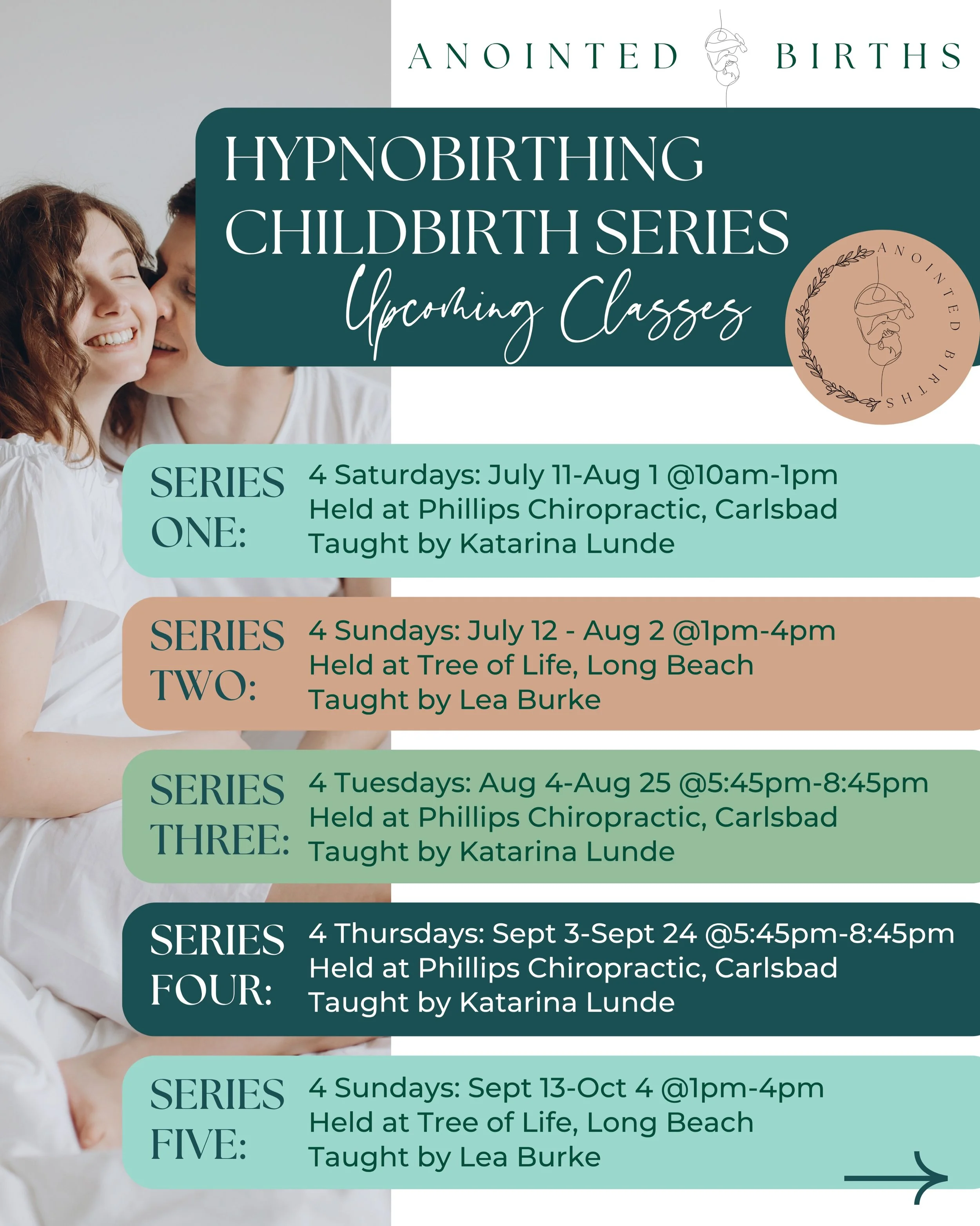
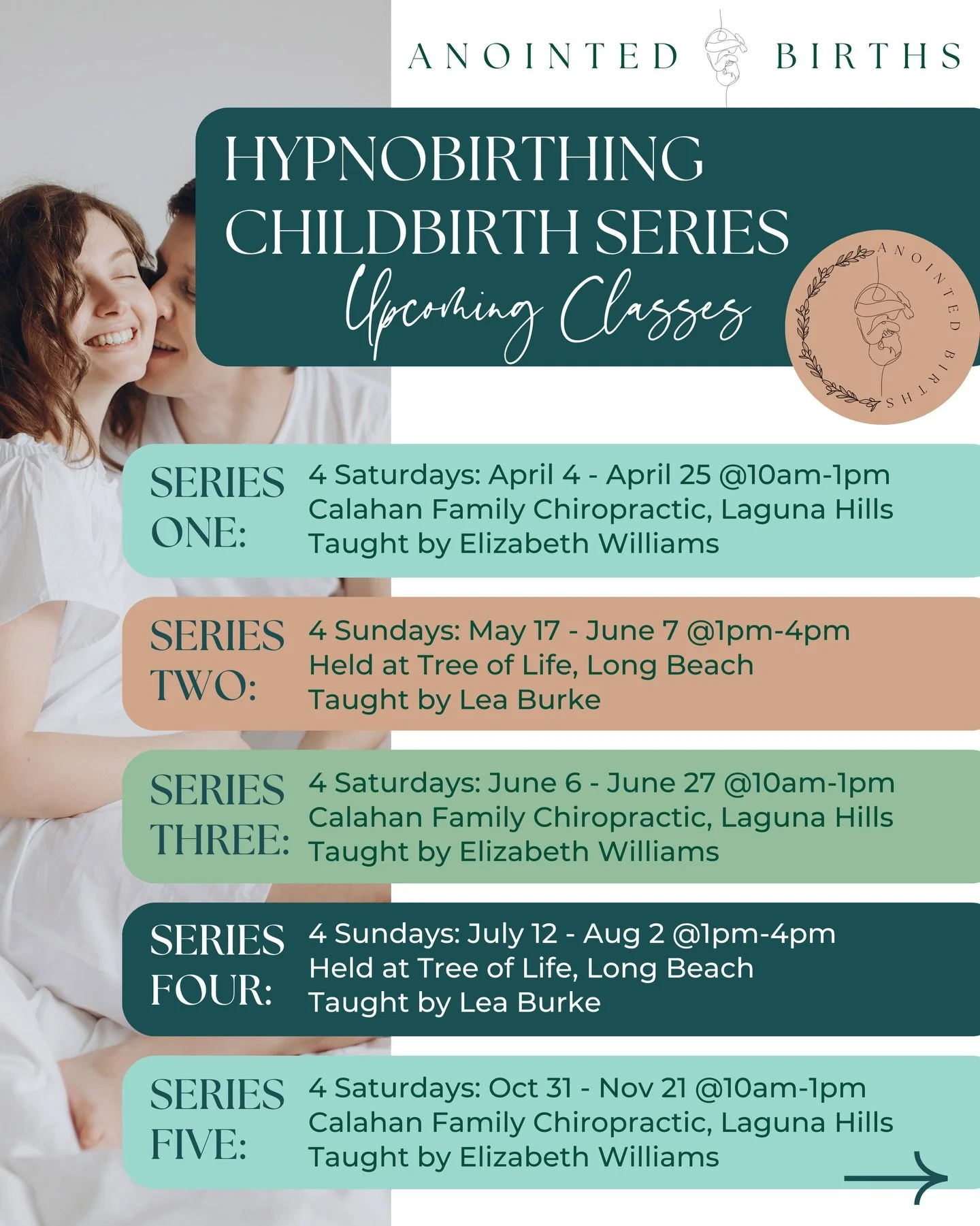
Join our Hypnobirthing for VBAC class → Sign Up Here
Anything stated in this blog is not medical advice.
Stay Tuned…
for more tips, stories, and resources on how to have your best birth!
And in the meantime, if you are looking for in-person support in Orange County, LA County, San Diego County, and the Inland Empire, click the button below to schedule your FREE consultation for any of the following services:
Birth Classes
Birth & Postpartum Doula Services
Birth Photography & Videography
Placenta Encapsulation
Lactation Support
Private Birth Planning Sessions
Belly Binding
& More!
CLICK HERE TO SCHEDULE A FREE CONSULTATION
Check out our latest instagram posts!